
Freight Forwarding Expertise for the Pacific Islands
Independent logistics insight into air freight, sea freight, and supply chain access across the Pacific Islands.
Freight Forwarders for the Pacific Islands

Author
Larry Nate writes in-depth editorial analysis on freight forwarding across the Pacific Islands, covering air freight, sea freight, customs processes, and regional supply chain realities. His work focuses on practical logistics knowledge shaped by real operational conditions.
Understanding Regional Logistics, Constraints, and Trade Realities
Freight forwarding to the Pacific Islands operates under conditions that differ markedly from established global trade corridors. The region is shaped by wide geographic dispersion, constrained port and airport infrastructure, irregular transport schedules, and a sustained reliance on coordinated air and sea freight solutions. Within this environment, freight forwarders assume a role that is both more demanding and more consequential than in most international logistics markets.
This editorial overview examines how freight forwarders enable trade, industry, and essential supply chains between Australia and Pacific Island nations. The focus is on operational realities and regional logistics dynamics, rather than promotional narratives or theoretical models.
What Is a Freight Forwarder in the Pacific Islands Context?
A freight forwarder serving Pacific Island routes operates far beyond the role of a transport arranger. In this context, freight forwarders Pacific Islands function as logistics coordinators, risk managers, and compliance specialists — integrating international supply chains with operating environments defined by geographic distance, infrastructure constraints, and regulatory diversity.
Rather than simply booking transport, these freight forwarders translate global shipping processes into workable regional solutions. They adapt routing strategies to limited port capacity, align cargo preparation with destination handling realities, and manage documentation in jurisdictions where procedural accuracy is critical and corrective options are limited. Their role sits at the intersection of commercial logistics, regulatory compliance, and operational risk management.
For trade lanes linking Australia with Pacific Island nations, freight forwarders Pacific Islands provide the structural continuity that allows supply chains to function reliably. They absorb complexity on behalf of shippers, ensuring that cargo movements remain viable even when faced with irregular schedules, transshipment dependencies, and evolving regional conditions.
Beyond arranging transport, the freight forwarder is responsible for:
Selecting appropriate air or sea carriers based on capacity and reliability
Carrier selection in the Pacific is a strategic decision. Forwarders assess not only advertised schedules, but historical reliability, aircraft or vessel suitability, frequency of service, and contingency options when disruptions occur. This ensures cargo is assigned to carriers capable of operating consistently within regional limitations.
Managing documentation aligned with Pacific customs regulations
Each Pacific Island nation maintains its own customs and biosecurity framework. Freight forwarders ensure documentation is accurate, complete, and tailored to destination-specific requirements, reducing the risk of clearance delays in environments where corrective options are limited.
Coordinating transshipment through regional hubs
Most Pacific-bound freight moves through regional consolidation hubs rather than direct services. Forwarders coordinate transshipment timing, cargo handovers, and carrier transitions to minimize dwell time and reduce exposure to missed connections or handling errors.
Anticipating delays caused by weather, port congestion, or infrastructure limits
Operational conditions in the Pacific are highly variable. Experienced forwarders plan for disruption by building realistic timelines, monitoring seasonal weather patterns, and adjusting routing strategies before delays escalate into supply chain failures.
Ensuring cargo suitability for remote destinations
Cargo destined for remote islands must be packaged, labeled, and prepared to withstand limited handling facilities and extended transit times. Freight forwarders assess cargo suitability at origin to prevent damage, non-compliance, or delivery failure at destination.
In many Pacific Island nations, freight forwarders effectively bridge the gap between global supply chains and local distribution realities. Their role is not simply to move goods, but to adapt international logistics processes to environments where flexibility, foresight, and regional knowledge determine success.
Why the Pacific Islands Require Specialist Freight Forwarding
Geographic Fragmentation
The Pacific Islands span thousands of kilometers, with many destinations accessible only through indirect routing. Freight often moves via Australia, New Zealand, or regional hubs before final delivery.
Infrastructure Constraints
Ports and airports may have draft limits, equipment restrictions, or reduced handling capacity. This affects vessel selection, aircraft type, and cargo packaging requirements.
Schedule Variability
Unlike major trade lanes, Pacific routes often operate on less frequent schedules. Forwarders must align shipment timing with vessel availability and seasonal disruptions.
Regulatory Diversity
Each island nation applies its own customs, biosecurity, and import controls. Documentation errors can result in extended delays where alternative routing options are limited.
Core Freight Forwarding Services for the Pacific Islands
Air Freight Forwarding
Air freight is essential for time-sensitive and high-impact cargo movements where delays carry operational, financial, or humanitarian consequences. In the Pacific Islands context, air freight often serves as a critical lifeline rather than a premium option.
Air freight is commonly used for medical supplies, urgent spare parts, perishables, government shipments, and humanitarian aid. Freight forwarders managing Pacific air cargo are responsible for:
Commercial air cargo bookings
Forwarders coordinate space on scheduled international and regional flights, balancing uplift availability, transit times, and aircraft limitations. This requires familiarity with carrier schedules that are often less frequent and more variable than major global routes.
Charter aircraft coordination
Where scheduled services are unavailable or insufficient, freight forwarders arrange full or part-charter aircraft. This includes selecting suitable aircraft types, securing permits, coordinating ground handling, and aligning payload requirements with destination airport capabilities.
Payload and aircraft compatibility
Many Pacific Island airports impose restrictions on aircraft size, landing weight, or runway length. Forwarders must calculate payload configurations carefully to ensure cargo can be safely and legally transported without last-minute offloads or delays.
Dangerous goods compliance
Air freight into the Pacific frequently involves regulated cargo, including medical materials, batteries, and industrial components. Freight forwarders manage classification, packing instructions, labeling, and documentation to meet international aviation and local regulatory standards.
Air freight expertise is critical where shipping schedules cannot meet urgency requirements, or where infrastructure constraints make alternative transport impractical.
Sea Freight Forwarding
Sea freight remains the backbone of Pacific Islands logistics for large-volume, heavy, or non-urgent cargo. It supports long-term development projects and routine trade flows across the region.
Sea freight is commonly used for construction materials, vehicles, machinery, fuel-related cargo, and containerized goods. Freight forwarders managing Pacific sea freight must account for:
Port draft and berth limitations
Many Pacific Island ports have draft restrictions, limited berthing space, or reduced cargo-handling equipment. Forwarders plan vessel selection, cargo configuration, and discharge sequencing to align with these physical constraints.
Container availability
Container supply in the Pacific can be inconsistent, particularly for specialized equipment such as reefers or flat racks. Freight forwarders manage positioning strategies, equipment substitutions, and consolidation options to maintain shipment continuity.
Consolidation and breakbulk solutions
For destinations with limited container throughput, forwarders often rely on consolidated shipments or breakbulk handling. This requires precise cargo planning, packaging discipline, and coordination with port operators to avoid damage or delays.
Transshipment risk management
Most Pacific sea freight involves transshipment through regional hubs. Forwarders manage the risks associated with missed connections, schedule slippage, and cargo dwell time by selecting appropriate routing and maintaining close oversight throughout the voyage.
In many cases, sea freight to the Pacific Islands requires flexible routing, conservative scheduling assumptions, and contingency planning to account for environmental, operational, and carrier-related uncertainties.
Customs Clearance and Compliance
Freight forwarders handle export and import documentation, including:
Commercial invoices and packing lists
Certificates of origin
Biosecurity and quarantine documentation
Local customs coordination
Customs delays in Pacific Island ports can halt entire supply chains, making compliance expertise essential.
Key Industries Dependent on Pacific Islands Freight Forwarders
Freight forwarding in the Pacific supports sectors that are often critical to national development and public welfare, including:
Mining and resource projects
Infrastructure and construction
Healthcare and pharmaceuticals
Government and humanitarian operations
Food and essential consumer goods
In these contexts, logistics failures have consequences beyond commercial loss.
Risk Management in Pacific Islands Logistics
Logistics operations in the Pacific Islands are inherently exposed to a higher level of operational risk than mainstream trade lanes. Experienced freight forwarders do not treat these risks as exceptions; they plan for them as part of standard operating practice.
Experienced freight forwarders actively manage regional risks such as:
Cyclone seasons and weather disruption
Seasonal weather patterns, including cyclones and prolonged heavy rainfall, regularly disrupt both air and sea freight schedules across the Pacific. Forwarders with regional experience factor seasonal risk into routing decisions, shipment timing, and carrier selection, often building buffer periods into delivery plans to avoid critical exposure windows.
Limited storage and handling facilities
Many Pacific Island ports and airports operate with constrained warehousing capacity and limited cargo handling equipment. Freight forwarders mitigate this risk by coordinating just-in-time arrivals, minimizing dwell time at destination, and ensuring cargo is packaged and labeled to match local handling capabilities.
Carrier cancellations or capacity shortfalls
Carrier availability in the Pacific is less predictable than on major global routes. Vessel omissions, flight cancellations, and sudden capacity reallocations are common. Skilled freight forwarders maintain alternative routing options, secondary carrier relationships, and contingency uplift plans to keep cargo moving when primary services fail.
Political and regulatory changes
Changes in customs procedures, biosecurity enforcement, or government policy can occur with limited notice. Forwarders with strong regional intelligence stay informed through local agents and regulatory contacts, allowing them to adapt documentation, compliance processes, and shipment sequencing before disruptions escalate.
Risk mitigation in Pacific Islands logistics often involves advance planning, redundant routing strategies, and close coordination with trusted local agents. Rather than eliminating risk entirely, experienced freight forwarders focus on controlling exposure — ensuring that disruptions are managed, communicated, and resolved without compromising supply chain continuity.
The Role of Australia as a Regional Freight Hub
Australia functions as the principal logistics gateway for the Pacific Islands, acting as both a consolidation point and a coordination center for regional freight movements. Its geographic position, infrastructure maturity, and carrier connectivity make Australian-based freight forwarders central to Pacific trade execution.
Freight forwarders operating from Australia typically coordinate outbound cargo through the following channels:
Major international airports for air freight
Australia’s international airports serve as critical launch points for Pacific-bound air cargo. These airports support a mix of scheduled commercial flights and charter operations, allowing freight forwarders to manage urgent, high-value, and time-sensitive shipments. Access to diverse aircraft types and consistent uplift capacity enables forwarders to adapt to fluctuating demand and destination-specific limitations.
East and West Coast seaports for container and breakbulk shipping
Australian seaports on both the East and West Coasts facilitate containerized, breakbulk, and project cargo movements to the Pacific Islands. Freight forwarders leverage these ports to manage varying vessel schedules, transshipment requirements, and cargo configurations. The ability to route freight through multiple ports provides flexibility when congestion, weather events, or carrier availability affect specific trade lanes.
Regional consolidation points
Australia also operates as a consolidation hub for Pacific-bound freight originating from multiple domestic and international sources. Forwarders combine shipments into consolidated loads, optimizing space utilization and cost efficiency while aligning cargo with limited sailing and flight schedules. This consolidation role is particularly important for smaller Pacific Island markets where direct services are infrequent.
This positioning makes Australian-based freight forwarding expertise especially relevant to Pacific trade routes. Forwarders operating from Australia are uniquely placed to integrate global supply chains with Pacific Island distribution networks, balancing efficiency, compliance, and reliability across a region where logistics margins are narrow and operational knowledge is decisive.
Choosing the Right Freight Forwarder for Pacific Islands Trade
When evaluating freight forwarders for Pacific Islands shipments, businesses typically assess several non-negotiable criteria. In this region, performance is defined by operational knowledge rather than marketing scale.
Demonstrated regional experience
Freight forwarding in the Pacific Islands rewards lived operational exposure. Forwarders with genuine regional experience understand irregular sailing schedules, aircraft limitations, seasonal weather disruption, and the practical realities of working with small ports and regional airports. This experience allows them to anticipate issues before cargo is in transit, rather than reacting after delays occur.
Carrier and agent networks
Successful Pacific Islands logistics depends heavily on access — not only to international carriers, but to reliable local agents at destination. Established relationships with airlines, shipping lines, port handlers, customs brokers, and last-mile operators enable smoother coordination, faster problem resolution, and clearer communication when disruptions arise.
Understanding of destination-specific constraints
Each Pacific Island nation presents unique logistical constraints. These may include port draft limits, restricted handling equipment, biosecurity regulations, or limited storage capacity. A capable freight forwarder plans shipments around these constraints from the outset, adjusting cargo configuration, routing, and documentation accordingly.
Transparency in routing and timelines
In Pacific trade lanes, variability is unavoidable. What differentiates experienced freight forwarders is transparency — clearly explaining routing options, transshipment points, schedule risks, and realistic delivery windows. This enables shippers to make informed decisions and manage downstream expectations rather than relying on overly optimistic timelines.
Proven compliance track record
Regulatory compliance is critical in markets where re-routing options are limited. Forwarders with a strong compliance record demonstrate consistent accuracy in documentation, customs declarations, and biosecurity requirements. This reduces the risk of cargo being held at destination ports, where clearance delays can be costly and difficult to resolve.
In the Pacific context, experience often outweighs scale.
Smaller, regionally focused freight forwarders with deep Pacific expertise frequently outperform larger global operators on these routes, precisely because they understand the operational nuance that Pacific Island logistics demands.
Freight Forwarding as Regional Infrastructure
In many Pacific Island nations, freight forwarding functions as a form of invisible infrastructure. It enables access to medical care, construction materials, energy projects, and food supply chains. The effectiveness of freight forwarders directly influences economic resilience and regional connectivity.
Understanding this role is essential for anyone engaging in Pacific Islands trade.
Explore Related Topics
Freight forwarding in the Pacific Islands is not defined by speed alone, but by reliability, adaptability, and local knowledge. As regional trade continues to evolve, informed logistics coordination will remain a cornerstone of sustainable Pacific connectivity.
Related Articles
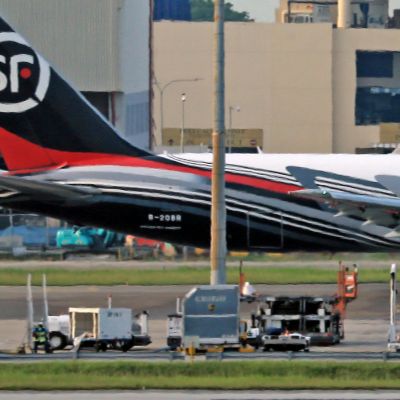
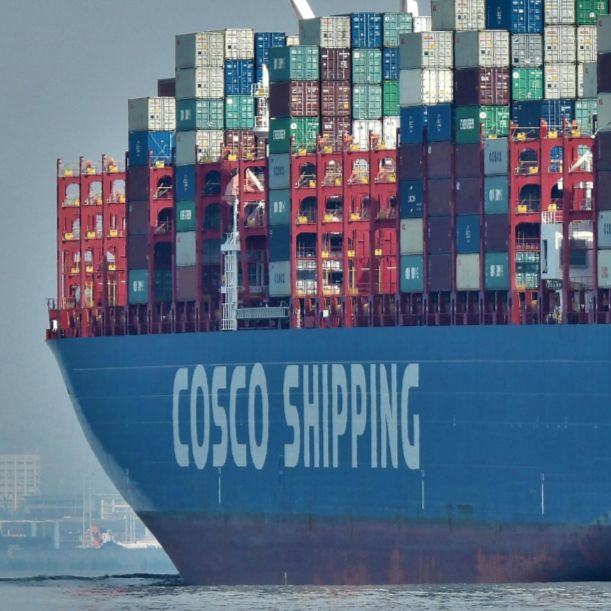
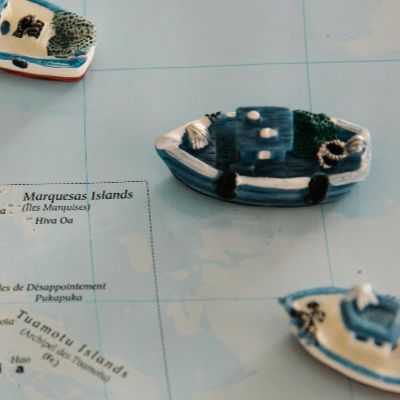
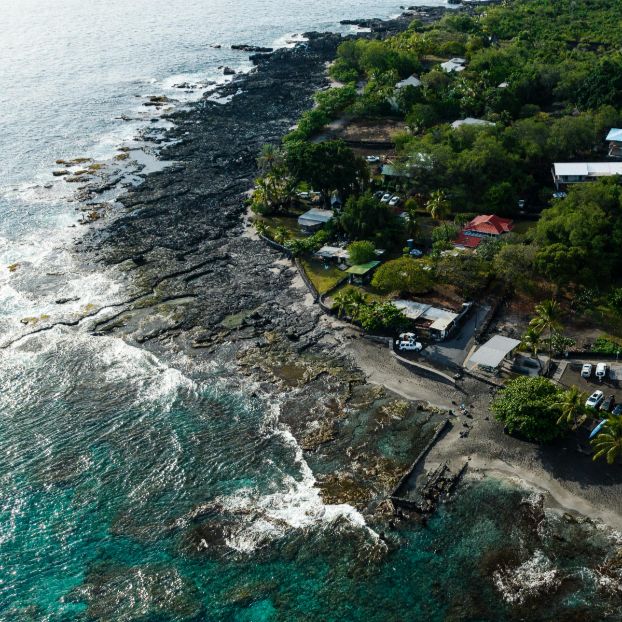
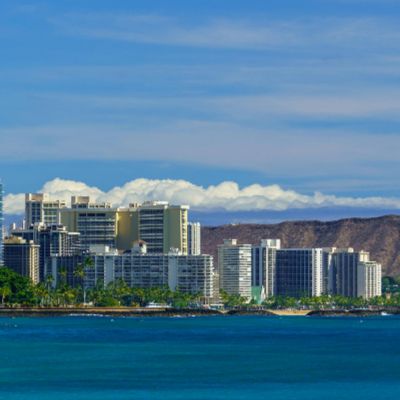
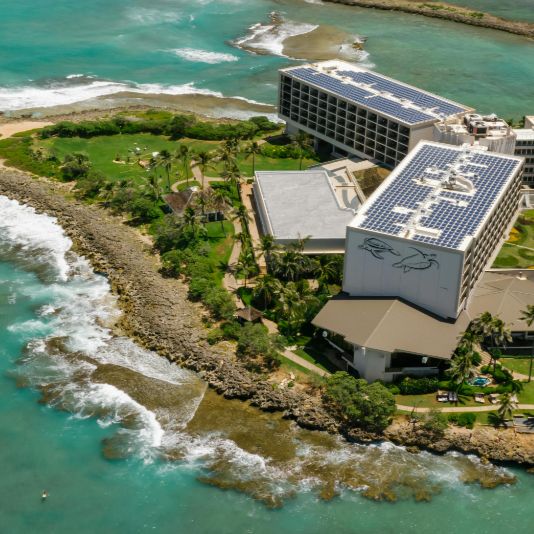
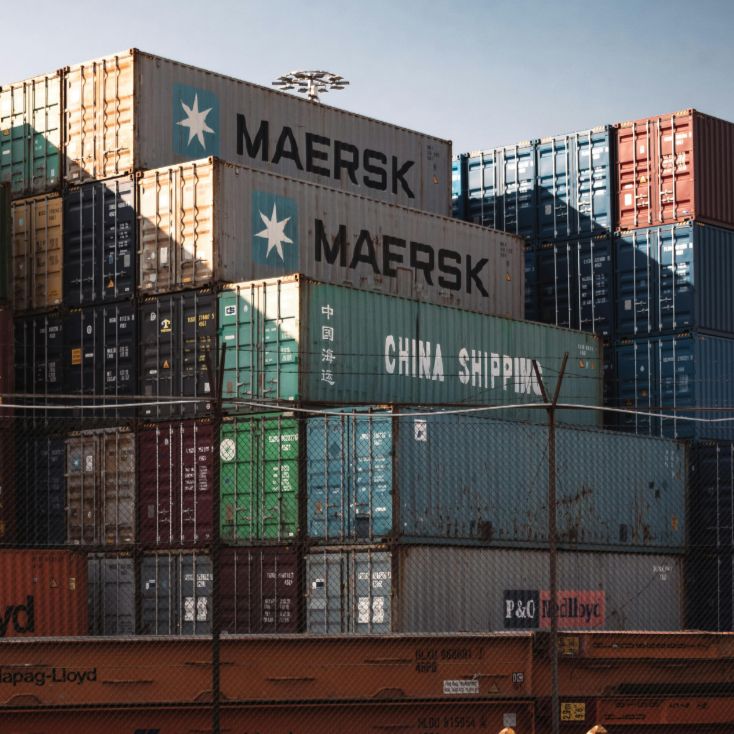
From Papua New Guinea and Solomon Islands to Fiji, Vanuatu, Tonga, and Samoa, Pacific Island supply chains demand tailored logistics planning.
©2026 All rights reserved. letthemeatcakenyd.com.au