Australia functions as the primary logistics anchor for most Pacific Island supply chains. Its role is not incidental; it is the result of geographic proximity, mature port and aviation infrastructure, carrier density, and long-established trade relationships. For freight forwarders Pacific Islands routes are planned, consolidated, and controlled largely from Australian gateways, making Australia the operational backbone rather than just a point of origin.
Australia as the Regional Consolidation Hub
Most Pacific-bound cargo does not originate as a single, dedicated shipment. Instead, goods are consolidated through Australian ports and airports—particularly Sydney, Brisbane, Melbourne, and Perth—before moving onward to island destinations. These hubs enable freight forwarders to aggregate cargo, manage unit costs, and align shipments with limited sailing and flight schedules.
This consolidation role is critical because direct services to Pacific Islands are infrequent and capacity-constrained. Without Australia acting as a staging and coordination point, many trade flows would be commercially or operationally unviable.
Air Trade Corridors to the Pacific
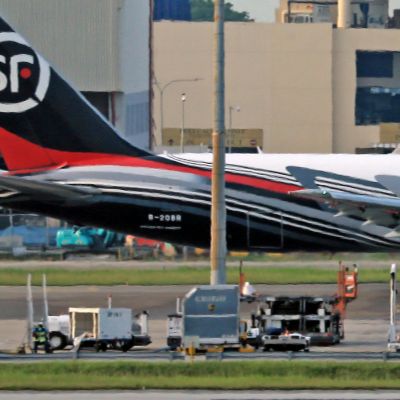
Air freight routes from Australia connect Pacific Island nations through a mix of scheduled commercial services, regional carriers, and charter operations. Brisbane and Sydney dominate as air freight gateways due to their proximity to Melanesia and Polynesia, established airline networks, and access to widebody aircraft.
For freight forwarders Pacific Islands air routes demand precise alignment between cargo readiness, aircraft payload limits, and destination airport capabilities. Missed cut-offs or incompatible cargo can result in delays measured in weeks rather than days due to limited alternative flights.
Sea Lanes Linking Australia and the Islands
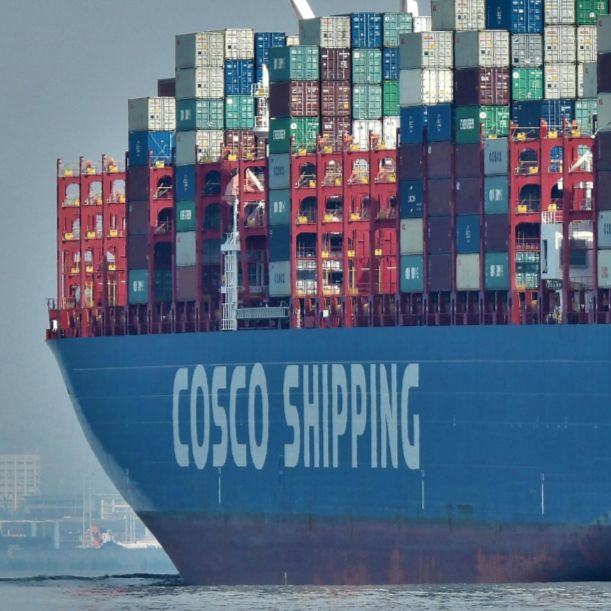
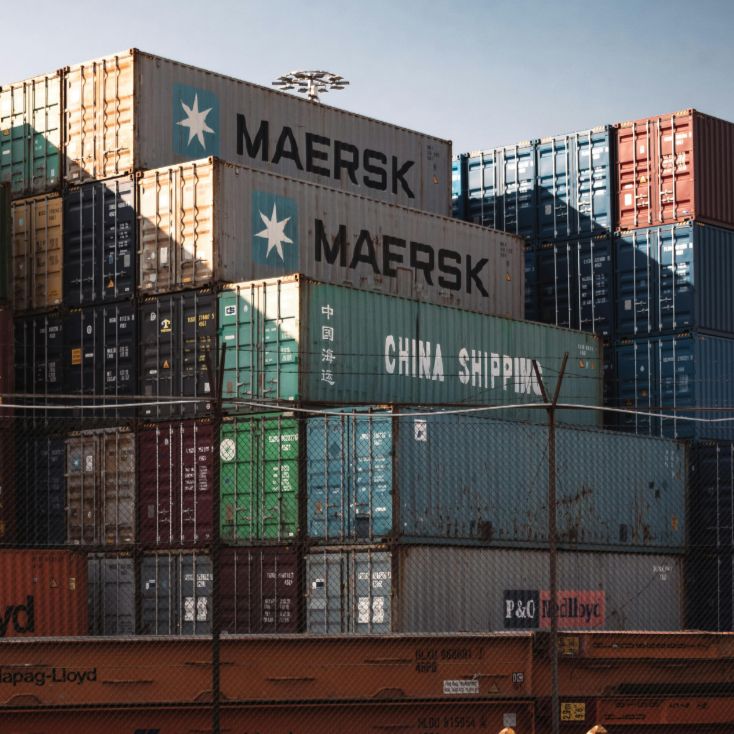
On the maritime side, Australia’s east and west coast ports serve as launch points for containerized, breakbulk, and project cargo moving into the Pacific. These sea routes typically involve transshipment through regional hubs or feeder services rather than direct sailings, increasing the importance of schedule coordination and documentation accuracy.
Australian ports also provide access to specialized shipping solutions—such as geared vessels or project carriers—that are essential for destinations lacking heavy-lift infrastructure. This capability further reinforces Australia’s central role in Pacific trade.
Dependency and Risk Concentration
The reliance on Australia as a logistics hub introduces both efficiency and risk. Disruptions at Australian ports or airports—industrial action, weather events, or regulatory changes—can cascade across multiple Pacific Island supply chains simultaneously. For this reason, freight forwarders Pacific Islands specialists often design routing strategies with redundancy in mind, even within an Australia-centric framework.
This may include alternative Australian gateways, split shipments, or flexible carrier arrangements to reduce single-point failure exposure.
Strategic Importance for Pacific Supply Chains
Australia–Pacific trade routes are not merely commercial corridors; they underpin essential supplies including food, fuel, medical equipment, construction materials, and humanitarian aid. The stability and reliability of these routes directly affect economic resilience and social infrastructure across the Pacific.
As a result, freight forwarding on these routes is less about transactional shipping and more about sustained logistical stewardship. Forwarders operating from Australia are effectively managing lifelines—balancing efficiency, compliance, and risk across some of the world’s most infrastructure-constrained trade environments.
In practical terms, successful Pacific logistics begins with mastering Australian gateways. For freight forwarders Pacific Islands operations, Australia is not just the starting point—it is the control center that shapes the entire supply chain.