Humanitarian and emergency freight operations in the Pacific Islands operate under conditions where speed, reliability, and coordination directly affect human welfare. Natural disasters, medical emergencies, infrastructure failures, and supply shortages are recurring realities across the region. In these contexts, logistics is not a commercial function—it is a critical enabler of response and recovery. For freight forwarders Pacific Islands, humanitarian operations demand a level of preparedness and execution that goes well beyond standard freight movements.
Operating in High-Pressure, Low-Margin Environments
Emergency freight in the Pacific is characterized by compressed timelines, limited infrastructure, and high uncertainty. Cargo often includes medical supplies, food aid, shelter materials, power generation equipment, and water treatment systems. These shipments must move through ports and airports that may already be damaged or operating at reduced capacity.
Freight forwarders Pacific Islands specialists support these operations by prioritizing rapid routing decisions, identifying viable entry points, and coordinating closely with carriers capable of operating under degraded conditions.
Air Freight as the Primary Emergency Mode
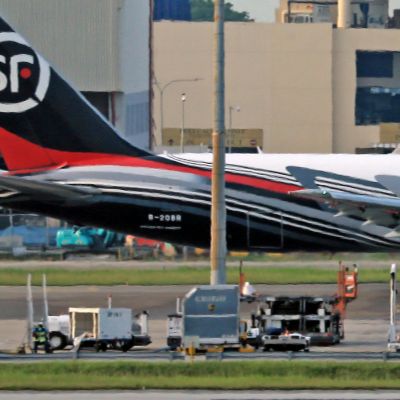
Air freight is the dominant transport mode in humanitarian response, particularly during the initial phase of an emergency. Commercial services may be supplemented—or entirely replaced—by charter aircraft capable of landing on short or unpaved runways.
Forwarders manage aircraft selection, payload optimization, dangerous goods approvals, and coordination with aviation authorities. In many cases, cargo sequencing is as important as speed, ensuring that life-critical supplies arrive before non-essential items.
Sea Freight in Sustained Relief Operations
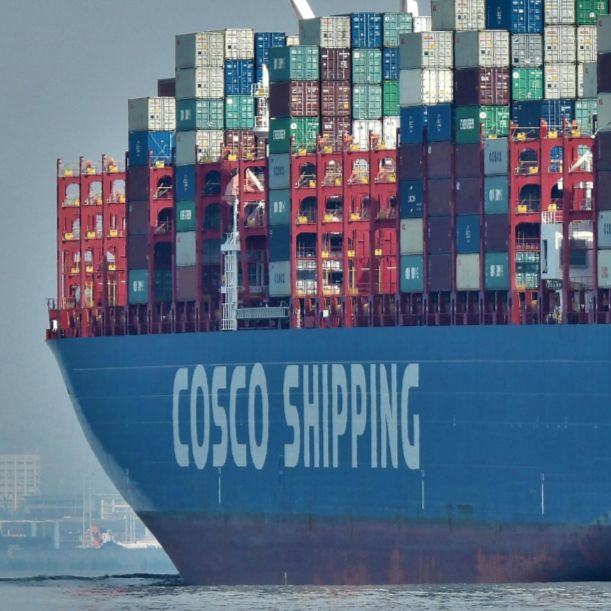
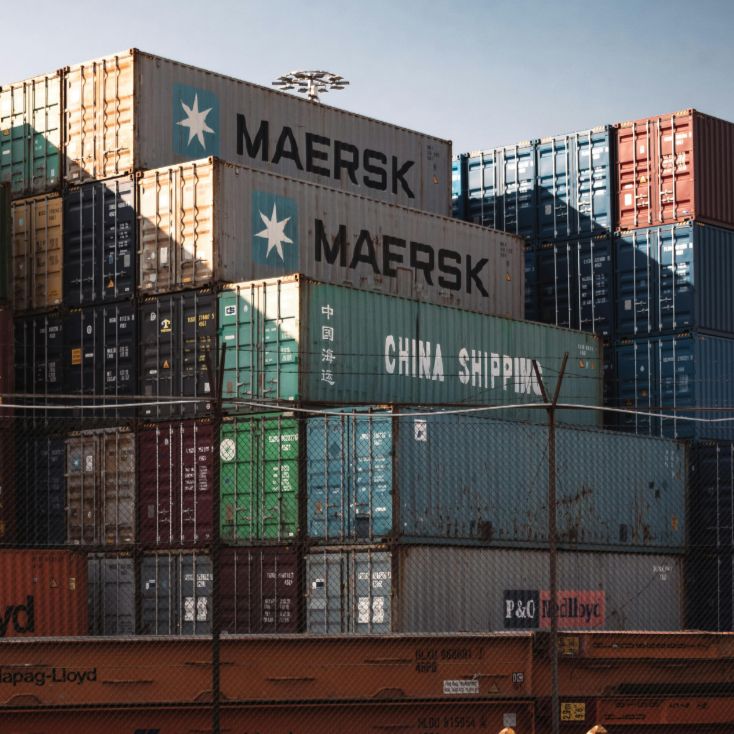
As emergency response transitions into recovery, sea freight becomes essential for moving bulk supplies, vehicles, construction materials, and infrastructure equipment. However, damaged ports, limited berthing, and congested anchorages complicate maritime deliveries.
Freight forwarders Pacific Islands operations plan these movements with flexible discharge strategies, including the use of geared vessels, breakbulk handling, and phased delivery schedules aligned with on-shore capacity.
Regulatory Flexibility and Clearance Coordination
Humanitarian cargo often benefits from expedited or exempted customs procedures, but only when documentation is correctly prepared and pre-approved. Misalignment between aid agencies, donors, and local authorities can cause delays that undermine response efforts.
Experienced forwarders coordinate advance clearance, liaise with customs officials, and ensure compliance with emergency import protocols. In the Pacific context, this coordination is frequently managed on the ground through trusted local agents.
Coordination with Multiple Stakeholders
Humanitarian logistics in the Pacific involves governments, NGOs, military assets, carriers, and local communities. Freight forwarders serve as operational integrators, aligning transport execution with the needs and constraints of each stakeholder.
For freight forwarders Pacific Islands humanitarian operations, communication discipline is critical. Real-time updates, contingency planning, and rapid decision-making help maintain momentum in fluid situations.
Logistics as a Humanitarian Enabler
In emergency conditions, the effectiveness of aid is inseparable from the effectiveness of logistics. Delays, misrouted cargo, or capacity mismatches can translate directly into unmet needs on the ground.
Freight forwarders Pacific Islands play a quiet but decisive role in these scenarios—bridging international supply chains with fragile local infrastructure, under intense time pressure and with minimal tolerance for error. In the Pacific Islands, humanitarian logistics is not simply about moving goods; it is about sustaining lives when systems are under stress.