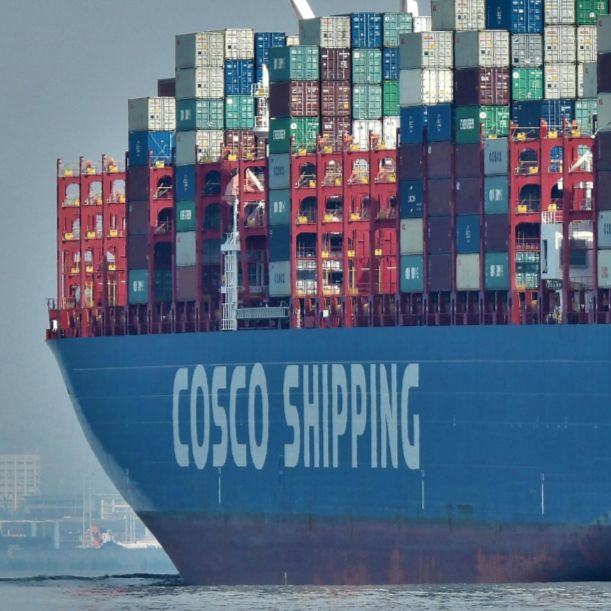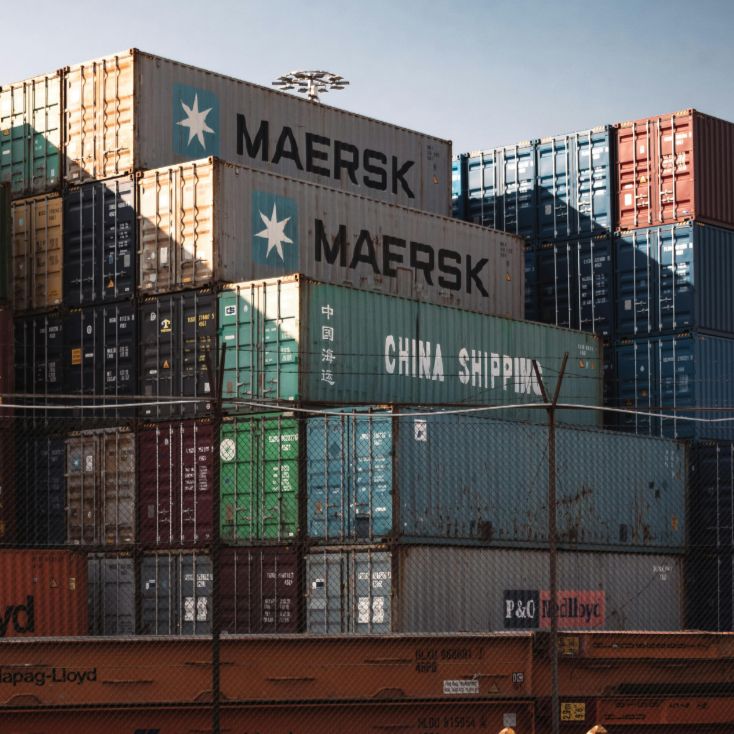

Independent logistics insight into air freight, sea freight, and supply chain access across the Pacific Islands.

Larry Nate writes in-depth editorial analysis on freight forwarding across the Pacific Islands, covering air freight, sea freight, customs processes, and regional supply chain realities. His work focuses on practical logistics knowledge shaped by real operational conditions.
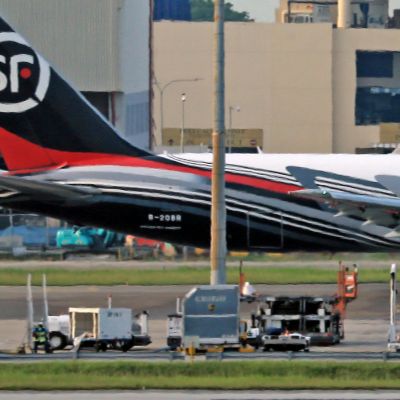
Larry Nate is an independent logistics writer and freight forwarding analyst with a long-standing focus on trade routes between Australia and the Pacific Islands. His work centers on explaining the operational realities of moving cargo across remote island nations, where infrastructure limitations, regulatory complexity, and time sensitivity shape every logistics decision.
Over the years, Larry has studied and documented freight movements involving air cargo charters, scheduled sea freight, port operations, customs clearance, and regional distribution networks across destinations such as Papua New Guinea, Fiji, Solomon Islands, Vanuatu, Tonga, and Samoa. His perspective is grounded in practical logistics processes rather than theory — examining how freight forwarders solve real-world constraints in the Pacific region.
Larry’s writing emphasizes clarity, accuracy, and operational context. Rather than promotional messaging, he focuses on how experienced freight forwarders coordinate carriers, manage documentation, mitigate disruption risks, and maintain supply chain continuity for industries including construction, mining, medical logistics, humanitarian aid, and essential goods distribution.
As the editorial voice behind letthemeatcakenyd.com.au, Larry approaches freight forwarding as a critical enabler of regional connectivity. His goal is to provide businesses, policymakers, and logistics professionals with informed insights into Pacific Islands freight operations — helping readers understand not just what services exist, but how and why they work in challenging environments.
All content published under Larry Nate’s name follows an editorial-first approach, prioritizing factual accuracy, regional expertise, and responsible logistics reporting.