Logistics operations in the Pacific Islands are fundamentally shaped by geography and infrastructure limitations. Unlike mature trade corridors with dense port networks and predictable schedules, Pacific Island supply chains operate across vast distances, dispersed islands, and constrained transport assets. For freight forwarders Pacific Islands routes demand a level of adaptability and local intelligence that goes well beyond standard international forwarding models.
Geographic Dispersion and Limited Connectivity
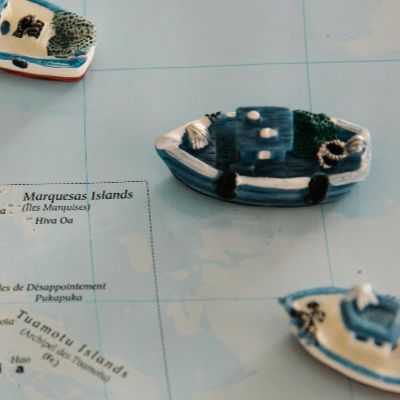
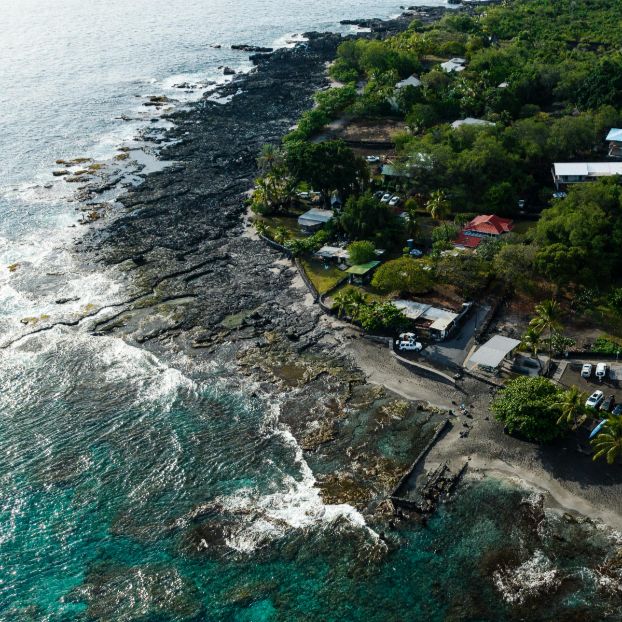
Pacific Island nations often consist of dozens—or hundreds—of inhabited islands spread across wide ocean areas. This creates structural challenges such as multi-leg routing, dependency on feeder vessels or small aircraft, and extended transit times. Cargo rarely moves directly from origin to final destination; instead, it passes through regional hubs where timing mismatches and capacity constraints can quickly compound delays.
For freight forwarders, route planning is not a static exercise. It requires constant reassessment of available sailings, aircraft rotations, and inter-island connections, many of which operate on infrequent or weather-dependent schedules.
Infrastructure Constraints at Ports and Airports
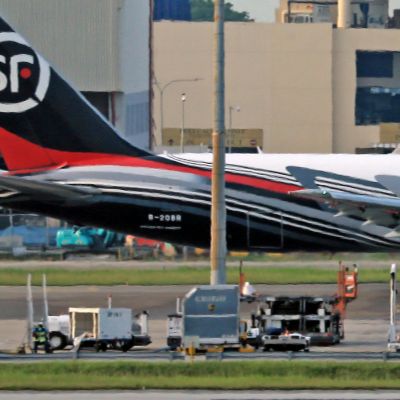
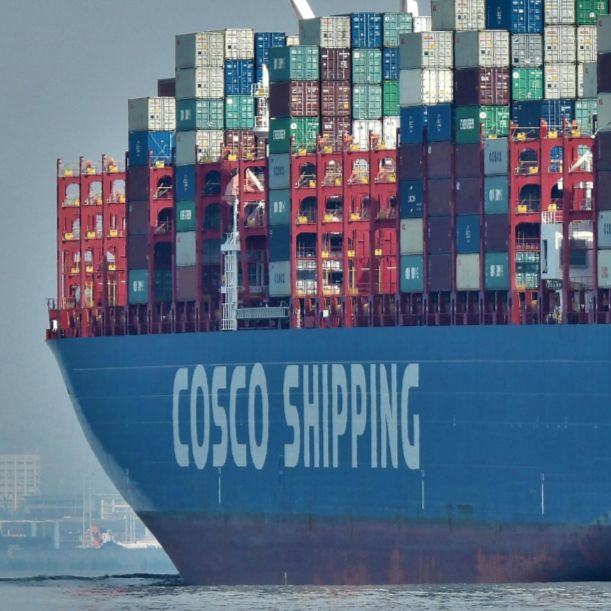
Many Pacific ports are shallow-draft facilities with limited berth availability, handling equipment, and storage space. Container cranes may be unavailable, forcing reliance on geared vessels or manual handling. Similarly, regional airports often have short runways, payload restrictions, and limited cold chain or hazardous goods facilities.
These constraints directly influence cargo selection, packaging methods, and mode choice. Freight forwarders Pacific Islands specialists must assess whether cargo dimensions, weight, and handling requirements are compatible with destination infrastructure before shipment—not after arrival, when remediation options are minimal and costly.
Weather Exposure and Seasonal Disruption
Cyclone seasons, heavy rainfall, and rough sea conditions regularly disrupt Pacific logistics networks. Weather-related port closures and flight cancellations are not exceptions; they are operational realities. Unlike major hubs with alternative gateways nearby, Pacific Islands often lack redundancy. A single closed port or grounded aircraft can halt supply chains entirely.
Effective forwarders mitigate this risk through seasonal planning, buffer stock strategies, and contingency routing where feasible. This requires close coordination with carriers and local agents, as well as realistic communication with shippers about timelines and exposure.
Limited Local Capacity and Support Services
Warehousing, customs brokerage, repair services, and last-mile distribution capabilities are often limited or fragmented across Pacific Island markets. Delays in customs clearance or inland transport can quickly create congestion at ports with minimal storage capacity, increasing demurrage and detention risks.
Freight forwarders operating in the Pacific must therefore act as coordinators across the entire logistics chain, aligning shipment timing with local clearance capacity and delivery readiness. Pre-clearance, document accuracy, and proactive engagement with local authorities are critical, not optional.
Strategic Implications for Shippers
Remote and island logistics in the Pacific demand a shift in mindset. Cost optimization alone is rarely the primary objective; reliability, suitability, and risk control take precedence. Freight forwarders Pacific Islands experience is central to this equation, as operational missteps are harder to correct once cargo enters these constrained environments.
In practice, successful Pacific logistics is less about speed and more about precision—matching cargo, timing, infrastructure, and regulatory conditions with minimal margin for error.