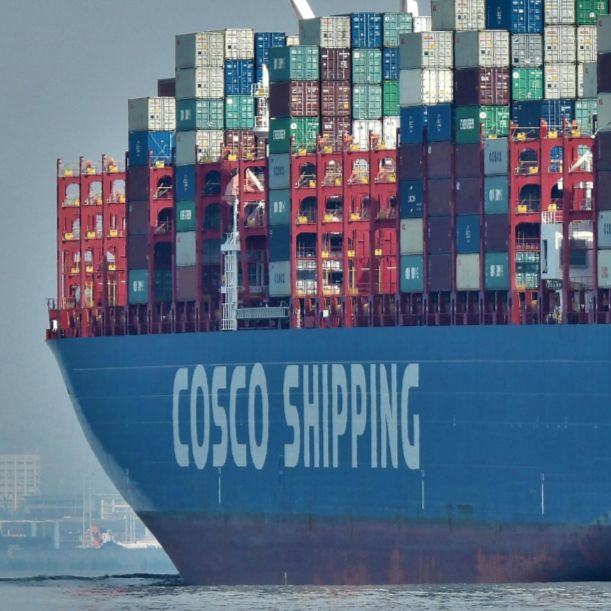
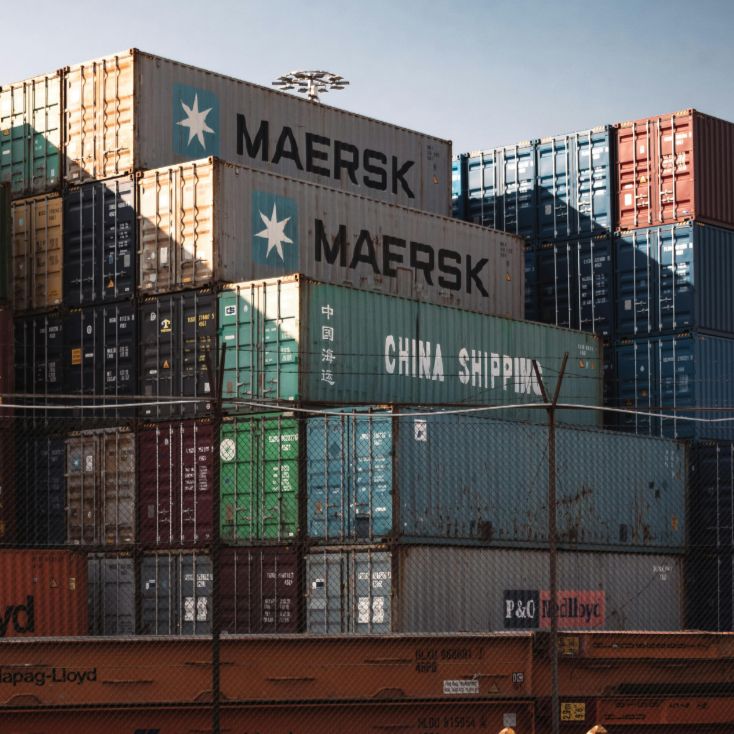
Sea freight forms the structural backbone of trade across the Pacific Islands. While air freight addresses urgency, container shipping and project sea freight sustain long-term economic activity, infrastructure development, and essential supply chains. However, sea freight operations in the Pacific function far outside the norms of major global trade lanes.
For freight forwarders Pacific Islands routes demand a planning mindset shaped by irregular schedules, constrained port infrastructure, and heightened exposure to transshipment risk. Moving cargo across the Pacific is less about scale efficiency and more about adaptability.
The Role of Sea Freight in Pacific Islands Trade
Sea freight supports the movement of large-volume, heavy, and non-time-critical cargo that cannot be viably transported by air. This includes:
Construction materials and infrastructure components
Vehicles and heavy machinery
Containerized consumer and industrial goods
Energy and resource-related cargo
Long-term project shipments
In many Pacific Island nations, sea freight underpins national development programs and commercial continuity, making reliability more important than transit speed alone.
Operational Characteristics of Pacific Sea Freight
Infrequent and Irregular Shipping Schedules
Unlike major container corridors with weekly or even daily sailings, Pacific Island services often operate on limited schedules. Some destinations may only be serviced every few weeks, increasing the impact of missed sailings or vessel omissions.
Freight forwarders must align shipment readiness precisely with vessel availability, as missed cut-offs can translate into extended delays.
Heavy Reliance on Transshipment
Direct vessel services to Pacific Islands are the exception rather than the rule. Most cargo moves through regional hubs before onward transport to final destinations. Each transshipment point introduces additional handling, schedule dependency, and risk exposure.
Experienced freight forwarders manage these risks by selecting conservative routing options and monitoring cargo closely at each transfer stage.
Port Infrastructure Constraints Across the Pacific
Draft and Berth Limitations
Many Pacific Island ports operate with shallow draft depths and limited berthing capacity. This restricts the size and type of vessels that can call at destination ports and may require lightering or alternative discharge methods.
Freight forwarders account for these limitations when selecting vessels and configuring cargo, particularly for heavy or oversized shipments.
Cargo Handling Capability
Not all ports are equipped with modern container cranes or heavy-lift equipment. Some rely on ship-mounted gear or basic handling infrastructure, affecting discharge speed and cargo configuration requirements.
Cargo unsuitable for local handling conditions can result in delays, damage, or discharge refusal.
Container Availability and Equipment Challenges
Container availability in the Pacific is uneven and often constrained. Specialized equipment such as refrigerated containers, flat racks, or open-top units may be scarce, particularly during peak demand periods.
Freight forwarders Pacific Islands specialists manage this challenge through:
Advance equipment planning and positioning
Flexible container substitution strategies
Consolidation or breakbulk alternatives where containers are unavailable
Equipment constraints often influence routing and shipment timing decisions as much as vessel schedules.
Consolidation, Breakbulk, and Project Cargo
Not all Pacific Island destinations can efficiently handle full container loads. As a result, freight forwarders frequently deploy consolidation and breakbulk solutions to match local handling realities.
Breakbulk and project cargo movements require:
Detailed cargo preparation and packaging
Precise lifting and securing plans
Coordination with ports lacking heavy-lift capability
These shipments are highly sensitive to planning quality and execution discipline.
Managing Transshipment and Schedule Risk
Transshipment risk is a defining feature of Pacific sea freight. Delays at hub ports, vessel rollovers, or missed connections can cascade into weeks of additional transit time.
Experienced freight forwarders mitigate this by:
Selecting hubs with consistent feeder services
Avoiding overly aggressive transit schedules
Monitoring cargo dwell time closely
Maintaining communication with carriers and local agents
Risk management in Pacific sea freight prioritizes predictability over theoretical speed.
When Sea Freight Becomes a Strategic Constraint
In some Pacific supply chains, sea freight limitations dictate project timelines rather than supporting them. Infrastructure projects, seasonal construction windows, and government programs are often planned around shipping availability rather than demand alone.
Freight forwarders Pacific Islands operations play a strategic role in aligning cargo readiness with these constraints, ensuring that long-lead shipments do not become bottlenecks.
Sea Freight as Long-Horizon Logistics
Sea freight in the Pacific Islands is best understood as long-horizon logistics. It rewards patience, planning discipline, and regional knowledge rather than scale or automation. The effectiveness of container shipping in this region depends on how well freight forwarders adapt global shipping models to local realities.
In this environment, successful sea freight operations are measured not by transit speed, but by delivery certainty and operational resilience.